
A large living room can give you plenty of space to work with, but that does not always make decorating easier. Oversized rooms can sometimes feel empty, cold, or visually unbalanced when the furniture and decor are too small for the space.
The key to decorating a large living room is not simply adding more furniture or accessories. Instead, focus on scale, proportion, texture, and visual balance. The right combination of large-scale furniture, wall decor, lighting, and carefully defined areas can make a spacious room feel comfortable and intentional.
Here are 12 practical ideas to help you decorate a large living room without making it feel cluttered.
12 Ideas for Decorating a Large Living Room
1. Choose Furniture That Fits the Space
Furniture that is too small can easily get lost in a large living room. Consider a spacious sectional, a larger sofa, or several seating pieces that are proportional to the room.
At the same time, avoid adding furniture simply to fill empty areas. Leave enough space between pieces for comfortable movement and conversation.
2. Create a Clear Focal Point
A large room needs a strong visual anchor. A fireplace, TV wall, large window, or statement artwork can all serve as a focal point.
Once you choose one, arrange the main furniture around it. This gives the room a clear direction and prevents the space from feeling scattered.
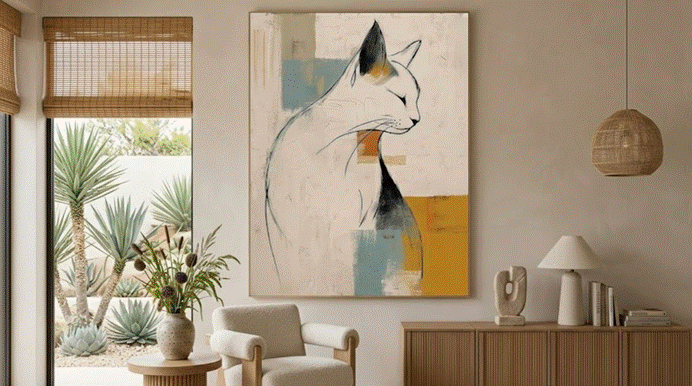
3. Use Oversized Wall Art
Large blank walls often need decor with enough visual weight to match their scale. Oversized wall art can fill the space without making it look cluttered.
Abstract paintings, textured artwork, minimalist pieces, and landscapes can all work well. Choose artwork that is proportional to both the wall and the furniture beneath it.
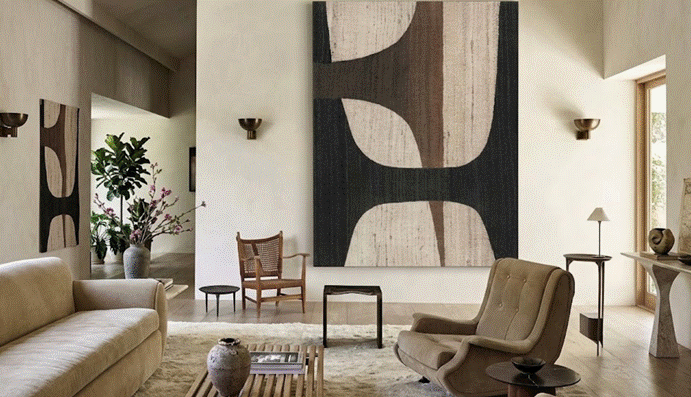
4. Try a Gallery Wall
A gallery wall is another effective option for a large living room. Combining different artwork sizes can add personality and make a blank wall more interesting.
To keep the arrangement cohesive, use a consistent color palette, frame style, or artistic theme. Plan the layout on the floor before hanging the pieces.
5. Divide the Room Into Different Zones
A large living room does not have to serve one purpose. Create separate areas for conversation, reading, working, or relaxing.
Use sofas, chairs, rugs, lighting, and artwork to define each zone. This makes the room feel more organized without making it feel closed off.
6. Choose a Large Area Rug
A properly sized rug can help connect the furniture and make a large living room feel more cohesive. A rug that is too small may make the seating area look disconnected.
Choose a size that allows at least the front legs of your main seating pieces to sit comfortably on the rug. A textured or patterned rug can also add warmth and personality.
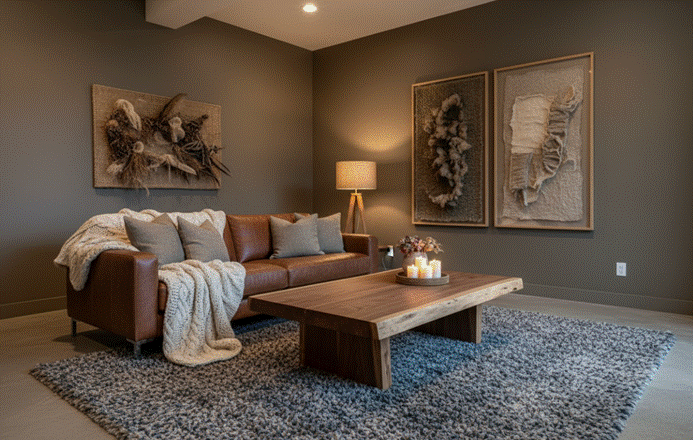
7. Add Different Textures
Large rooms can sometimes feel cold, especially when they have high ceilings or hard flooring. Adding different textures can make the space feel warmer.
Try combining materials such as wood, linen, wool, leather, woven fabrics, and textured wall art. A few carefully chosen textures are usually enough to add depth without creating clutter.
8. Use Curtains to Emphasize Height
Curtains can help make a large living room feel more finished while emphasizing its vertical proportions.
For tall windows or high ceilings, consider hanging curtains higher and letting them fall close to the floor. Lightweight fabrics can create a relaxed look, while heavier curtains can give the room a more dramatic feel.
9. Layer Your Lighting
One ceiling light may not be enough for a large living room. Combine overhead lighting with floor lamps, table lamps, wall sconces, or accent lighting.
Using light sources at different heights creates more depth and makes individual areas feel warmer and more inviting.
10. Make Use of Vertical Space
Do not focus only on the floor when decorating a large living room. Tall walls can become an important part of the overall design.
Large artwork, tall bookshelves, oversized mirrors, floor-to-ceiling curtains, and vertical gallery walls can help draw the eye upward and create better visual balance.
11. Leave Some Empty Space
You do not need to decorate every empty corner. Too many small pieces can make a large room feel cluttered rather than cozy.
Allowing some negative space gives your furniture and artwork room to stand out. Before adding another decoration, consider whether it actually improves the overall layout.
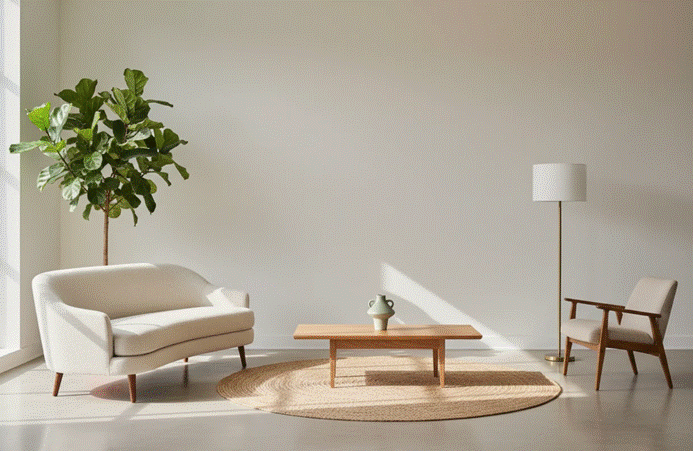
12. Keep the Color Palette Cohesive
A large room can handle more color, but using too many unrelated shades can make the space feel disconnected.
Start with a simple base palette and introduce accent colors through artwork, rugs, cushions, curtains, and accessories. Repeating similar colors or materials throughout the room can help everything feel connected.
How to Decorate a Large Living Room With High Ceilings
Decorating a large living room with high ceilings requires a little more attention to scale. Because the walls extend higher than usual, standard-sized decor can sometimes look too small or leave the upper part of the room feeling empty.
Instead of trying to fill every inch of wall space, consider pieces that add visual height and balance. Oversized artwork, tall bookcases, large mirrors, or vertically arranged gallery walls can help connect the lower and upper parts of the room.
If you’re working with particularly tall walls, you can also explore ideas for decorating walls with very high ceilings and see how different layouts can work in a larger space.
The key is to focus on proportion rather than quantity. A few well-scaled pieces can make a high-ceilinged living room feel more balanced without making the walls look overly decorated.
Common Mistakes to Avoid When Decorating a Large Living Room
Using Furniture That Is Too Small
Furniture that is too small can easily get lost in a large living room, making the space feel empty and out of proportion. Choose pieces that are large enough to visually anchor the room while still leaving enough space for comfortable movement.
Choosing Artwork That Is Too Small
Small artwork may look insignificant when placed on a large wall. Instead, choose artwork that is appropriately scaled to the wall and the furniture below it, or combine several pieces to create a stronger visual impact.
Pushing All Furniture Against the Walls
Placing every piece of furniture against the walls can make a large living room feel disconnected and leave too much empty space in the center. When possible, bring furniture slightly inward to create a more comfortable and inviting seating arrangement.
Using Too Many Small Decorations
Filling a large room with lots of small accessories can quickly create visual clutter. A few larger, well-chosen decorative pieces are often more effective and can give the room a cleaner and more cohesive appearance.
Ignoring Lighting
A single ceiling light may not provide enough warmth or depth in a large living room. Layering overhead lights with floor lamps, table lamps, or accent lighting can make the space feel more comfortable and visually balanced.
Trying to Fill Every Empty Corner
Not every empty area needs furniture or decoration. Leaving some negative space allows the main furniture and artwork to stand out while keeping the room feeling spacious rather than overcrowded.
Final Thoughts
Learning how to decorate a large living room is less about adding more and more decor and more about choosing the right scale.
Start with furniture that fits the room, create a clear focal point, and use large-scale wall decor where appropriate. Rugs, lighting, curtains, and different textures can then help make the space feel warmer and more comfortable.
If your living room has high ceilings, pay special attention to vertical space. A few well-proportioned pieces can make a much bigger difference than filling the room with unnecessary decorations.
With thoughtful planning, a large living room can feel spacious, balanced, and cozy at the same time.